
Compare clear aligners and traditional braces, understand their benefits, limitations, cost factors and treatment suitability at TrueMax Dental Clinic, Lucknow.
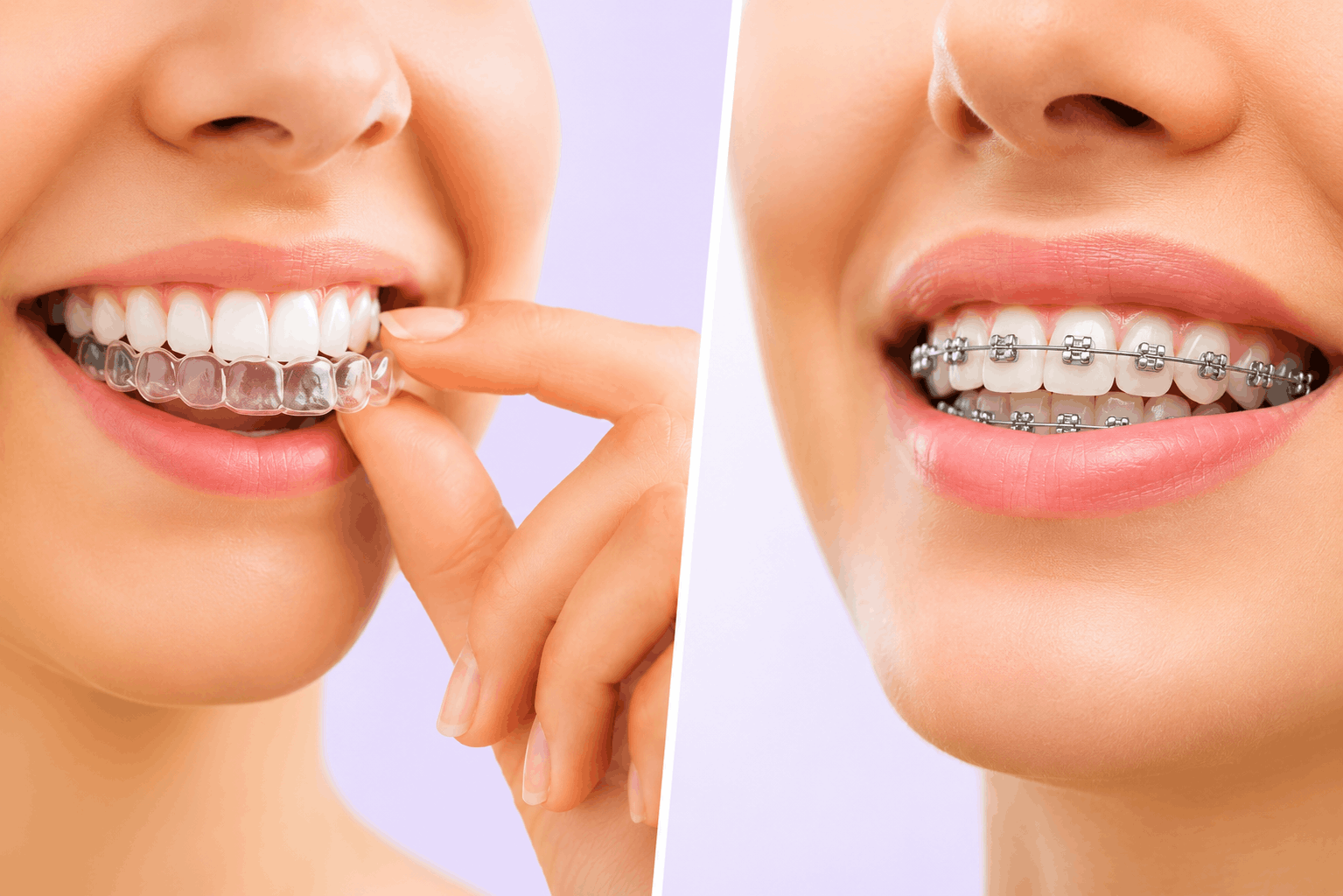
If you are planning to straighten your teeth, you may be wondering whether clear aligners or traditional braces are the better choice. Both treatments are designed to correct the position of teeth, improve alignment and address selected bite problems. However, they work differently and are not equally suitable for every patient.
Clear aligners are transparent, removable trays that gradually move teeth according to a planned sequence. Traditional braces use brackets and wires attached to the teeth to guide tooth movement. Both can help create a healthier-looking, more aligned smile when planned and monitored properly.
The right choice depends on several factors, including the type of misalignment, crowding, spacing, bite relationship, oral health, lifestyle and your ability to follow treatment instructions. A treatment that works well for one person may not be the right option for someone else.
If you are searching for Clear Aligners vs Braces in Lucknow, this guide explains the important differences so you can have a more informed discussion during your dental consultation at TrueMax Dental Clinic.
Clear aligners are custom-made, transparent plastic trays designed to move teeth gradually. Instead of using fixed brackets and wires, aligner treatment uses a series of trays. Each tray is designed to make planned changes to tooth position.
You generally wear one set of aligners for the period advised by your treating dentist or orthodontic provider before moving to the next set. The sequence is based on an individual treatment plan. Small tooth-coloured attachments may also be placed on selected teeth to help achieve certain movements.
The clear material makes aligners less noticeable than conventional metal braces. They are often preferred by people who want a discreet option during work, study or social activities.
Aligners can be removed for meals, brushing and flossing. This allows you to maintain your usual oral hygiene routine more easily than with fixed brackets.
Many aligner systems use digital scans and treatment-planning software to map the intended sequence of tooth movements. The plan still requires clinical assessment and monitoring.
Because aligners are removable, treatment depends on wearing them for the prescribed number of hours each day. Inconsistent wear can delay progress or affect how well the trays fit.
Traditional braces are fixed orthodontic appliances used to move teeth into planned positions. Small brackets are attached to the teeth and connected with an orthodontic wire. The wire applies controlled forces that help guide tooth movement over time.
Braces remain attached throughout active treatment. The treating orthodontic professional periodically checks progress and makes adjustments when needed. Patients also need to follow instructions about cleaning, food choices and appointment schedules.
Braces stay attached to the teeth, so patients do not need to remember to put them back after meals or cleaning.
Metal braces are a common option. Depending on suitability and availability, ceramic or other fixed orthodontic options may also be discussed.
Fixed braces can be particularly useful for certain tooth movements and more complex bite or alignment problems that may be difficult to manage with aligners alone.
Follow-up visits allow the treating professional to assess tooth movement, adjust the appliance and address any issues during treatment.
The most noticeable difference is that clear aligners are removable and discreet, while traditional braces are fixed to the teeth. However, appearance is only one part of the decision. Treatment suitability, daily care, compliance and the movements required are equally important.
| Comparison | Clear Aligners | Traditional Braces |
|---|---|---|
| Appearance | Transparent and less noticeable | Metal brackets and wires are visible; ceramic options may be less noticeable |
| Removability | Removable for meals and oral hygiene | Fixed to the teeth during treatment |
| Eating | Remove before eating; follow instructions about drinks | Some hard, sticky and chewy foods should be avoided |
| Cleaning | Teeth and trays need regular cleaning | Extra care is needed around brackets and wires |
| Daily Responsibility | Requires consistent prescribed wear time | Appliance remains fixed in place |
| Complex Cases | Suitable for selected cases; some movements may need additional techniques | Can be useful for many complex tooth movements and bite corrections |
| Follow-up | Regular progress checks and tray changes as instructed | Regular adjustment and monitoring appointments |
| After Treatment | Retainers are generally needed | Retainers are generally needed |
This comparison is a general guide. Different aligner systems, brace types and individual treatment plans can have different requirements. Your dentist or orthodontic provider can explain which factors matter in your particular case.
Clear aligners are popular among adults and teenagers who want a less noticeable way to straighten their teeth. Their removable design can also make everyday eating and oral hygiene more convenient.
Clear trays are less noticeable than metal brackets and wires. This can be appealing to people who prefer a subtle orthodontic appliance in professional or social settings.
Since aligners can be removed, you can brush and floss your teeth without cleaning around fixed brackets. The trays themselves also need to be cleaned as instructed.
Aligners do not use conventional metal brackets and wires. This may reduce some types of irritation associated with fixed appliances, although temporary soreness can still occur.
You remove aligners before eating, so there are fewer food restrictions related to the appliance itself. You must clean your teeth before putting the trays back in.
Clear aligners have several advantages, but they also require commitment. They are not a treatment that can be worn only when convenient. The removable design means that the patient plays an important role in keeping treatment on track.
Traditional braces remain an important orthodontic treatment option. Since they are fixed to the teeth, they work continuously without depending on the patient remembering to wear removable trays.
Braces stay in place throughout treatment. This removes the need to take the appliance out and put it back after meals.
Fixed appliances can be used for a wide range of alignment problems and may be preferred for certain complex tooth movements.
The brackets and wire remain attached to the teeth, applying planned forces under professional supervision.
Metal and tooth-coloured ceramic options may be available. The appropriate type depends on clinical requirements and individual preferences.
Braces are effective for many orthodontic problems, but they require careful cleaning and some changes to daily habits.
Comfort is different for every patient. Clear aligners have smooth surfaces and do not use conventional brackets and wires, which may reduce irritation to the cheeks and lips for some people. However, patients can still experience pressure, tightness or soreness when starting a new set of trays.
Traditional braces can cause temporary irritation from brackets and wires, especially during the initial adjustment period. Teeth may also feel sore after tightening or other changes to the appliance. This discomfort generally varies from one patient to another.
Therefore, it is not accurate to say that aligners are completely painless or that braces are always uncomfortable. The type of movement, individual sensitivity and treatment stage all influence the experience.
Both clear aligners and braces can be considered for adults. The choice depends on dental health, the type of misalignment, bite requirements and personal preferences.
Adults who prefer a discreet appliance and can follow the required daily wear schedule may like the removable design of clear aligners. Others may prefer fixed braces, particularly when their treatment requires movements better managed with a fixed appliance.
Age alone does not decide whether a person can have orthodontic treatment. Healthy gums, suitable supporting bone and a proper clinical assessment are important before starting treatment.
Clear aligners can correct many spacing and crowding problems, particularly selected mild-to-moderate cases. However, severe crowding, significant bite discrepancies, impacted teeth or complex tooth movements may require a different approach.
Traditional braces may provide better control for certain movements. In some situations, the treatment plan may involve additional orthodontic techniques or a combination of appliances.
It is important not to select aligners only because they look attractive or are advertised as convenient. The appliance should be selected according to what is clinically appropriate for the teeth and bite.
The cost of orthodontic treatment in Lucknow can vary significantly. There is no single price that applies to every patient because the treatment plan depends on the condition of the teeth and the complexity of the required correction.
Clear aligner treatment may involve digital scans, treatment planning, a series of trays, attachments and refinement trays when required. The type of aligner system and the complexity of the case can influence the overall fee.
Braces costs can vary according to the type of appliance, treatment duration, complexity and follow-up requirements. Metal and ceramic braces may have different fee structures.
The most useful way to understand your treatment cost is to have your teeth examined and receive an individual treatment plan. A consultation can help clarify the recommended appliance, expected treatment stages and applicable charges before proceeding.
Treatment duration depends on the amount and type of tooth movement required. Mild alignment problems may take less time than cases involving significant crowding, spacing or bite correction.
Clear aligner treatment involves wearing a sequence of trays and changing them according to the prescribed schedule. Traditional braces require periodic adjustments and monitoring. Neither method has a fixed duration that applies to every patient.
Your treating professional can provide an estimated timeline after examining your teeth and preparing a treatment plan. Treatment may take longer if teeth do not move as expected or additional correction is needed.
Good daily habits help keep aligners clean and support oral health throughout treatment. Follow the instructions provided for your particular aligner system.
Fixed braces need careful cleaning because food particles and plaque can collect around brackets and wires. Maintaining good oral hygiene is important for protecting the teeth and gums during treatment.
Completing active orthodontic treatment does not mean that teeth will automatically remain in their new positions forever. Teeth can naturally shift over time, which is why retention is an important part of orthodontic care.
A retainer may be recommended after aligner or braces treatment to help maintain the corrected tooth positions. Retainers may be removable or fixed, depending on the patient's needs. Your treating professional will explain how and when to use the recommended retainer.
Before deciding, consider the following questions with your treating dental professional:
A well-planned treatment should focus on more than appearance. Proper tooth alignment, bite function, gum health and long-term stability all matter when choosing an orthodontic approach.
At TrueMax Dental Clinic, Lucknow, patients can discuss their teeth alignment concerns and available smile correction options, including clear aligners and braces.
Dr. Rehana (MDS | Prosthodontist) can help patients understand their dental concerns and the available treatment options. The recommended approach depends on the clinical findings and the orthodontic requirements of each case.
Whether you are concerned about crooked teeth, gaps, crowding or your overall smile appearance, an individual assessment is the right starting point before choosing a treatment.
Clear aligners are more discreet and removable, while braces are fixed and can offer better control for certain complex tooth movements. Neither is universally better. The right option depends on your dental condition and treatment goals.
Clear aligners use a series of removable transparent trays to move teeth gradually. Traditional braces use fixed brackets and wires attached to the teeth. Both are orthodontic treatments, but they differ in appearance, daily care and treatment suitability.
Yes. Adults may be suitable candidates for clear aligners if their teeth and gums are healthy and their alignment problem can be treated with an aligner system. A dental assessment is necessary before starting.
Clear aligners can correct many types of crooked teeth and selected mild-to-moderate alignment problems. More complex cases may require braces or additional orthodontic techniques. Suitability depends on the tooth movements required.
Clear aligners may cause temporary pressure, tightness or soreness, especially when starting a new tray. The level of discomfort varies between patients. They are not completely pain-free.
Teeth may feel tender after braces are fitted or adjusted. Some patients also experience temporary irritation from brackets or wires. Discomfort varies and should be discussed with the treating professional if it is severe or persistent.
Many aligner treatment plans recommend approximately 20–22 hours of daily wear. The exact schedule depends on the aligner system and your treating professional's instructions. Consistent wear is important for treatment progress.
Aligners are generally removed before eating. After meals, brush your teeth or clean them as advised before putting the trays back in. Follow your provider's instructions about drinking while wearing aligners.
Some people notice a slight change in speech when they first start wearing aligners. This usually improves as they get used to the trays. If speech difficulties persist, discuss them with your treating professional.
Braces can be useful for many severe crowding and complex alignment cases. The treatment plan depends on the amount of space available, tooth positions, bite and overall dental condition.
Clear aligners are made from transparent material and are generally less noticeable than metal braces. However, they are not completely invisible. Attachments used in some treatment plans may also be visible.
Treatment duration depends on the complexity of the case, the amount of tooth movement required and how consistently the aligners are worn. Your treating professional can provide an estimated timeline after assessment.
Braces treatment can take several months to a few years, depending on the alignment and bite problems being corrected. The duration is individual and can only be estimated after clinical examination and treatment planning.
Not in every case. The cost of both treatments depends on case complexity, appliance type, aligner system, treatment duration and additional requirements. A personalised treatment plan is needed for an accurate estimate.
Switching may be possible in selected cases, but it is not suitable for everyone. The current treatment progress, remaining tooth movements and clinical requirements must be reviewed before changing appliances.
Retainers are generally recommended after orthodontic treatment to help maintain the corrected tooth positions. Your treating professional will advise the type of retainer and wearing schedule.
You can contact TrueMax Dental Clinic in Lucknow to discuss your teeth alignment concerns and arrange a consultation. Treatment suitability should be confirmed after a dental assessment.
A dental consultation at TrueMax Dental Clinic can help you understand the differences between clear aligners and braces, the options that may suit your case and the expected treatment requirements.