
Explore modern options for closing gaps between teeth, including clear aligners, braces and cosmetic dentistry at TrueMax Dental Clinic.
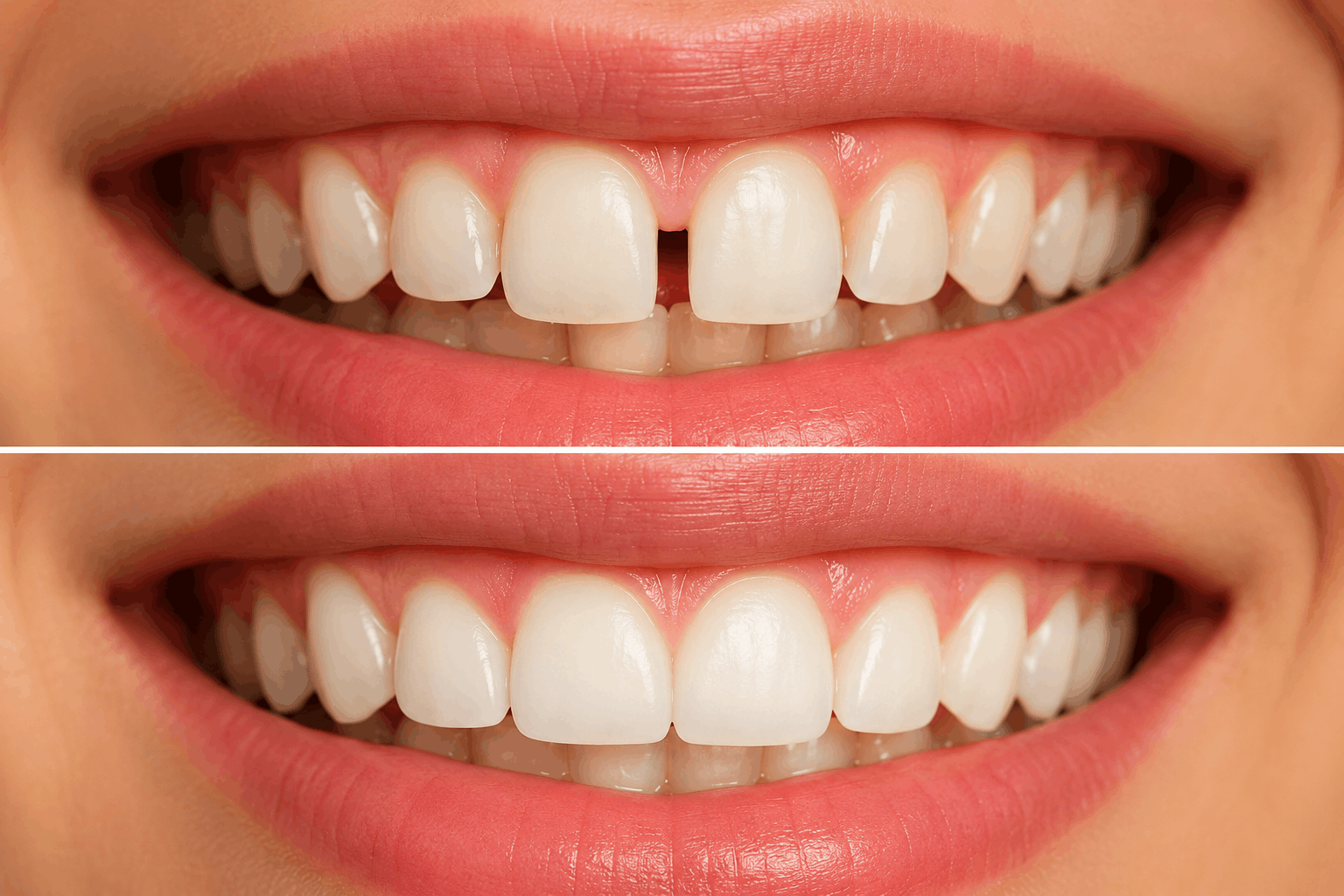
A visible gap between two teeth can change the appearance of your smile. Known in dentistry as a diastema, a gap can occur between the upper front teeth or in other areas of the mouth. For some people, it is simply a natural feature. Others may want to close the space because of cosmetic concerns or changes in their bite.
People searching for Teeth Gap Treatment in Lucknow may have different dental needs. A small gap between healthy front teeth may be managed with cosmetic bonding, while wider spaces or multiple gaps may require orthodontic treatment such as clear aligners or braces. The right approach depends on the cause of the gap, tooth position, gum health and overall bite.
At TrueMax Dental Clinic, treatment options can be discussed after a dental examination. The aim is to understand why the space is present and choose an approach that considers both smile appearance and oral health.
Teeth gaps can develop for several reasons. Identifying the underlying cause is important because closing the visible space without addressing the reason behind it may not provide a stable result.
If a gap is new, becoming wider, or accompanied by bleeding gums, swelling or loose teeth, do not treat it as only a cosmetic concern. A dental examination should come first.
There is no single treatment that is best for every gap. The choice depends on the size and location of the space, tooth proportions, bite relationship and the health of the gums and supporting bone.
Clear aligners are transparent, removable trays designed to move teeth gradually. They may be suitable for selected spacing cases where the teeth need orthodontic movement.
They can be a discreet option for eligible patients, but success depends on proper planning, wearing the trays as instructed and attending follow-up appointments.
Braces use brackets and wires to move teeth into planned positions. They can close spaces and help address other alignment or bite issues.
Braces may be recommended when the spacing is more complex or when additional tooth movements are required.
Cosmetic bonding uses tooth-coloured composite resin to reshape selected teeth and reduce the appearance of small gaps.
It can often be completed with less tooth alteration than veneers, although the material may stain, chip or need maintenance over time.
Veneers are thin restorations placed on the front surfaces of teeth. They may improve tooth shape, size and appearance while reducing the visible space between selected front teeth.
Some veneer procedures require removal of enamel and may not be reversible. They should be considered only after discussing suitability, alternatives and long-term maintenance.
Clear aligners are one option for people who want to correct spacing through gradual tooth movement without wearing fixed metal brackets. They are made from transparent material and are designed to fit over the teeth.
Clear aligners are not suitable for every orthodontic problem. Some cases may need braces or a combined treatment approach. The dentist must assess the bite, tooth roots, gum support and the amount of movement required before recommending aligners.
Both clear aligners and braces can help close spaces between teeth. The difference is in how they work, how they are maintained and which tooth movements they can predictably achieve in a particular case.
Neither option is automatically better for everyone. The most suitable treatment is the one that can safely achieve the required tooth movement and support a stable result.
In selected cases, small gaps between front teeth can be improved with cosmetic dental bonding or veneers. These treatments change the visible shape or width of the teeth rather than moving the teeth into new positions.
Bonding may be considered when a small amount of additional tooth width can close the space while maintaining natural-looking proportions. Veneers may be considered when changes to shape, colour or size are also desired.
However, simply making teeth wider is not always the best solution. It can create teeth that look too broad or affect how they meet. An examination helps determine whether cosmetic treatment or orthodontic movement is more appropriate.
Before recommending a treatment, the dentist evaluates more than the visible gap. The examination may include:
Depending on the findings, photographs, dental scans, impressions or X-rays may be advised. Not every patient needs every investigation; the dentist recommends them according to the clinical situation.
Treatment time varies according to the size of the gap, the number of teeth involved, the complexity of tooth movement and the selected treatment method.
Cosmetic bonding may be completed in a relatively short appointment in suitable cases. Veneer treatment generally involves planning and clinical appointments. Orthodontic treatment with aligners or braces takes longer because teeth need to move gradually and safely.
A reliable timeline can be discussed only after examining the teeth and preparing an individual treatment plan. No fixed duration can be guaranteed for every patient.
Yes. Teeth can shift after orthodontic treatment, and spaces may reopen in some patients. This is why the retention phase is an important part of treatment rather than an optional extra.
After aligners or braces, the dentist may recommend a suitable retainer to help maintain the corrected tooth positions. The type of retainer and wearing schedule depend on the individual case. Long-term follow-up and retainer use as advised can help reduce unwanted movement.
At TrueMax Dental Clinic, patients can discuss suitable options for teeth gap correction, including clear aligners, braces, dental bonding and veneers, depending on their dental needs.
The treatment approach should be based on an assessment of tooth position, bite and gum health rather than the gap's appearance alone. A consultation can help you understand the available options and what may be appropriate for your smile.
A gap between teeth is called a diastema. It can occur between the front teeth or in other areas of the mouth. Its cause and treatment depend on the individual's dental condition.
Common causes include genetics, differences in tooth and jaw size, missing or undersized teeth, a prominent frenum, tongue habits and gum disease. A dental examination can help identify the likely cause.
Yes. Clear aligners can close many types of spacing when the case is suitable for aligner treatment. The dentist must evaluate the gap, bite and supporting tissues before confirming whether aligners are appropriate.
Both can close teeth gaps. The better option depends on the required tooth movements, bite, case complexity and patient compliance. Some cases may be more suitable for braces, while others may be treated with clear aligners.
In selected cases, dental bonding or veneers can reduce the visible appearance of a small gap without orthodontic movement. The choice depends on tooth proportions, bite and the amount of space to be corrected.
Dental bonding can be used to reshape suitable teeth with tooth-coloured composite material. It may be appropriate for selected small gaps, but the final shape and proportions need careful planning.
Veneers can improve the appearance of selected front teeth and reduce visible spacing. However, some veneer procedures require enamel removal and may not be reversible. They are not automatically the best option for every gap.
The duration depends on the gap size, number of teeth involved and treatment method. Bonding may be completed in a shorter appointment, while orthodontic treatment generally takes longer. Your dentist can estimate the timeline after assessment.
The experience varies with the procedure. Aligners and braces may cause temporary pressure or soreness, especially after adjustments or changing trays. Cosmetic procedures have different comfort requirements, which can be discussed before treatment.
Yes. Adults can be assessed for gap correction with aligners, braces or cosmetic dental treatments. Healthy gums and supporting bone are important considerations before orthodontic treatment.
Yes. Teeth can move after treatment, and spaces may return. Retainers are commonly recommended after orthodontic treatment to help maintain the result. Follow your dentist's retainer instructions and attend recommended reviews.
Advanced gum disease can damage the tissues and bone that support teeth. This may cause teeth to become loose or shift, sometimes creating new spaces. Gum health should be assessed before planning cosmetic or orthodontic correction.
Not every gap in a child needs treatment. Spaces can be part of normal dental development while permanent teeth are erupting. A dentist can assess whether the gap is developmentally expected or needs further evaluation.
Arrange a dental examination if a gap is new, increasing in size, or associated with bleeding gums, swelling, discomfort or loose teeth. These signs may indicate an underlying dental or gum problem.
You can contact TrueMax Dental Clinic in Lucknow to arrange a consultation and discuss suitable teeth gap correction options after a dental examination.