
Tooth Extraction in Lucknow – Gentle & Professional Dental Care

Get professional tooth extraction at Truemax Dental Clinic in Lucknow for severely damaged, decayed or infected teeth when removal is clinically necessary. Dr. Rehana provides personalised dental care with appropriate anaesthesia, careful treatment planning and attention to patient comfort.
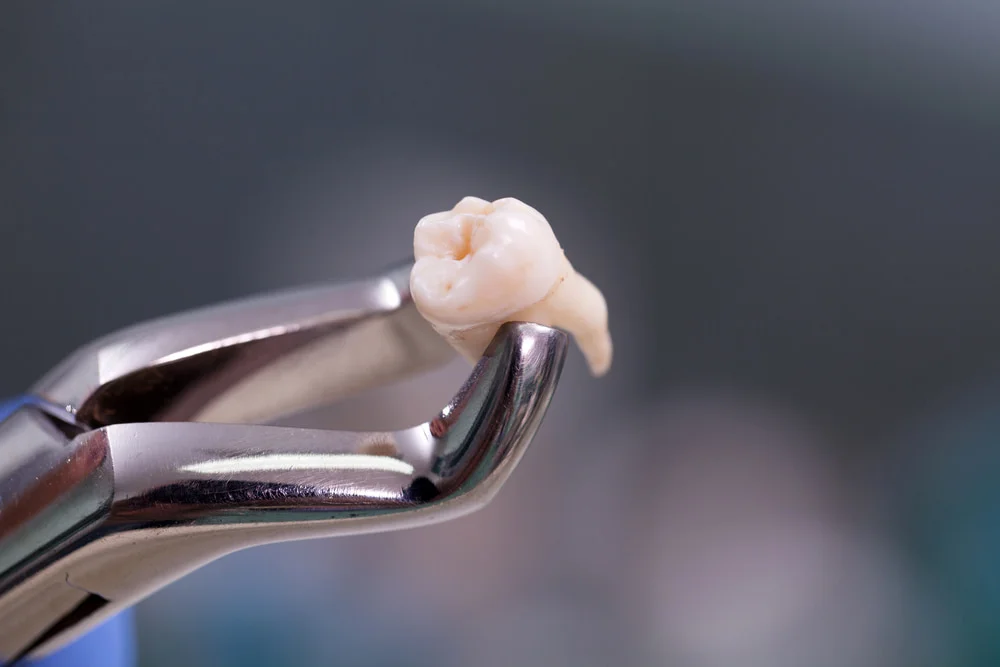
Professional Tooth Extraction in Lucknow at Truemax Dental Clinic

About Tooth Extraction

Tooth extraction is a dental procedure in which a tooth is removed when it is severely damaged, decayed or infected and cannot be adequately restored. When treatments such as fillings, root canal treatment or dental crowns are not suitable, extraction may be recommended to protect your overall oral health.

Tooth extraction may also be required in certain orthodontic cases, for impacted teeth such as wisdom teeth, or when advanced gum disease has severely affected the supporting structures of a tooth. The need for extraction depends on a careful dental examination and, when required, dental X-rays.

At Truemax Dental Clinic, Lucknow, Dr. Rehana provides personalised tooth extraction care with appropriate local anaesthesia, careful treatment planning and attention to patient comfort. Post-extraction instructions are also provided to support proper healing and recovery.

When a tooth cannot be saved, timely extraction may help manage pain, address the affected tooth and protect surrounding oral health.

When Is Tooth Extraction Needed?

Severe tooth decay when the tooth cannot be restored with fillings, root canal treatment or other suitable procedures
Severe dental infection or abscess when extraction is clinically necessary as part of infection management
A badly broken or damaged tooth that cannot be adequately repaired
Overcrowded teeth when extraction is recommended as part of an orthodontic treatment plan
Severely loose teeth due to advanced gum disease and loss of supporting bone
Impacted or problematic wisdom teeth causing repeated pain, swelling, infection or damage to nearby teeth
Persistent tooth pain when the underlying problem cannot be managed with suitable tooth-preserving treatment
Certain dental conditions where removing the affected tooth is necessary to manage infection or protect oral health
If you experience severe tooth pain, facial swelling or signs of dental infection, seek prompt dental evaluation. Difficulty breathing or swallowing, or rapidly spreading swelling, requires immediate emergency medical care.

Tooth Extraction Procedure

Step 1

Consultation & Examination

The dentist examines your tooth, gums and surrounding area. Dental X-rays may be taken when needed to assess the tooth position, roots and surrounding structures before treatment.

Step 2

Local Anaesthesia

Local anaesthesia is administered to numb the treatment area. You may feel pressure during the procedure, but sharp pain should be minimised. Inform your dentist if you feel discomfort.

Step 3

Tooth Removal

The tooth is carefully loosened and removed using appropriate dental instruments. For impacted or complex teeth, a surgical extraction may be required.

Step 4

Socket Care

The extraction site is examined and managed appropriately. Any necessary cleaning is performed, and measures are taken to support normal blood clot formation and healing.

Step 5

Stitches (If Required)

Stitches may be placed, particularly after certain surgical extractions, to help manage the wound and support healing. Some stitches dissolve on their own.

Step 6

Post-Treatment Care

You receive instructions about medicines, food, oral hygiene and protecting the extraction site. Follow-up may be advised depending on the complexity of the procedure.

Benefits of Tooth Extraction

Relief from Tooth Pain

Removing a severely damaged or infected tooth may help relieve pain caused by that tooth after appropriate treatment.

Helps Manage Dental Infection

When extraction is clinically necessary, removing the affected tooth can help manage the source of infection.

Supports Better Oral Health

Removing a non-restorable tooth may help address an ongoing dental problem and support long-term oral health.

Protects Nearby Teeth

In selected cases, removing an impacted or severely damaged tooth may help prevent further problems affecting neighbouring teeth.

Supports Orthodontic Treatment

When recommended as part of an orthodontic plan, extraction can create space to help align teeth properly.

Addresses Localised Swelling

Treating the affected tooth and managing its infection may help reduce associated swelling and discomfort.

Planned Dental Procedure

With proper examination, appropriate anaesthesia and suitable aftercare, extraction can be performed with attention to patient comfort and safety.

Helps Avoid Further Complications

Timely treatment of a severely damaged or infected tooth may help reduce the risk of certain dental complications.

Cost of Tooth Extraction in Lucknow

The cost of tooth extraction depends on the type of extraction, tooth condition and complexity of the procedure. Simple extractions generally cost less, while surgical extraction of impacted or complex teeth may require additional treatment.

Estimated Treatment Cost

₹500 – ₹5,000+

Type of Extraction

Simple extraction is generally less expensive, while surgical extraction may involve additional clinical steps and expertise.

Tooth Condition

The position, extent of damage, infection and condition of the tooth can influence the complexity and cost of treatment.

Procedure Complexity

Impacted teeth, difficult root positions and surgical requirements may affect the overall treatment charges.

Additional Treatment

Prescribed medicines, follow-up visits, stitches or other necessary procedures may involve additional charges.

*The above price range is an estimate. Actual charges may vary depending on clinical examination and treatment requirements. Contact Truemax Dental Clinic for current pricing.

Why Choose Us for Tooth Extraction?

Professional Dental Care by Dr. Rehana, MDS | Prosthodontist
Careful Treatment Planning for Simple and Surgical Extractions
Appropriate Local Anaesthesia with Attention to Patient Comfort
Attention to Sterilization and Clinical Hygiene
Personalised Dental Examination and Treatment Approach
Clear Explanation of Treatment Options and Pricing
Detailed Aftercare Instructions and Recovery Guidance
Appropriate Dental Instruments and Clinical Procedures
Convenient Dental Care at Kalyanpur, Lucknow

Tooth Extraction Questions & Answers

Everything You Need to Know About Tooth Extraction

Tooth extraction is usually performed under local anaesthesia, which numbs the area. You may feel pressure or movement during the procedure, but sharp pain should be minimised. Inform your dentist if you experience discomfort.
A simple extraction may take around 15–30 minutes. Surgical extractions, including some wisdom tooth removals, can take longer depending on the tooth's position and complexity.
Initial discomfort and swelling often improve over a few days. Gum healing generally takes around 1–2 weeks, while complete healing of the underlying bone takes longer. Recovery varies depending on the type of extraction and individual health.
Extraction may be recommended for severely damaged or decayed teeth that cannot be restored, certain dental infections, advanced gum disease, orthodontic treatment needs or problematic impacted wisdom teeth. Your dentist will assess whether the tooth can be saved before recommending removal.
Choose soft, cool or lukewarm foods such as curd, khichdi, mashed vegetables and soft foods that require little chewing. Avoid hot, hard, crunchy or very spicy foods initially. Do not use a straw during the early healing period.
Like any dental procedure, extraction has some risks. Temporary bleeding, swelling and discomfort may occur. Other possible complications include dry socket, infection or injury to nearby structures. Your dentist will explain the risks based on your individual case.
Antibiotics are not routinely required after every tooth extraction. Your dentist may prescribe them when there is a specific clinical indication, such as certain infections or increased risk of complications. Take antibiotics only as prescribed.
Many patients can return to routine activities after a simple extraction, depending on how they feel. Rest for the remainder of the day is often advisable. Surgical extraction or physically demanding work may require additional recovery time.
Avoid smoking, alcohol, vigorous rinsing, spitting and drinking through a straw during the early healing period. Avoid strenuous exercise initially and follow your dentist's instructions to protect the blood clot and support healing.
Replacement is not necessary in every case. However, replacing a missing tooth may help maintain chewing function and prevent unwanted movement of neighbouring teeth. Depending on your condition, options may include a dental implant, bridge or partial denture.

Need a Tooth Extraction in Lucknow?

Get your tooth examined at Truemax Dental Clinic. Dr. Rehana provides personalised dental care with appropriate anaesthesia, careful treatment planning and post-extraction guidance. Book your appointment today.