
Single Tooth Implant in Lucknow: Procedure, Cost & Recovery
Learn how a single dental implant replaces a missing tooth, who may be suitable, how treatment works and what to expect during healing and long-term care.
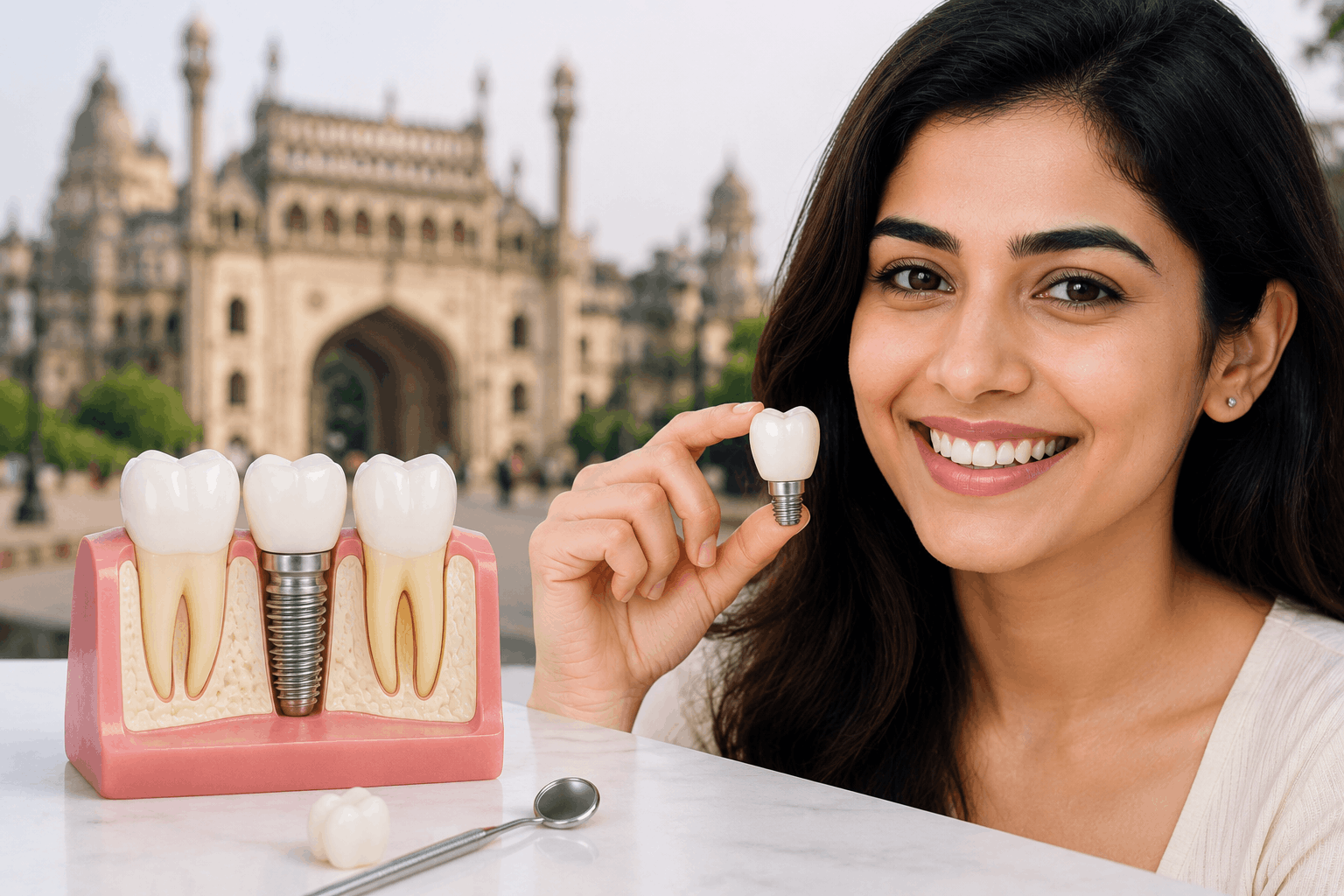
Losing a single tooth can affect more than the appearance of your smile. Depending on its location, a missing tooth may influence chewing, speech and the way neighbouring teeth contact each other.
A single tooth implant is one option for replacing a missing tooth. It uses an implant placed in the jawbone to support an individual artificial tooth, usually a dental crown.
If you are researching Single Tooth Implant in Lucknow, it is important to understand the treatment stages, suitability, possible risks, healing time and maintenance before making a decision.
At TrueMax Dental Clinic, Kalyanpur, Lucknow, patients can enquire about missing-tooth replacement options and arrange a dental consultation for an individual assessment.
What Is a Single Tooth Implant?
A single tooth implant is a fixed tooth replacement option designed to replace one missing tooth. A small implant fixture, commonly made from titanium, is placed in the jawbone to provide support for an artificial tooth.
Once the implant has integrated with the surrounding bone and the treatment is ready for restoration, a connector and a customised crown are fitted.
Unlike a conventional tooth-supported bridge, an individual implant does not normally require the neighbouring healthy teeth to be prepared as bridge supports. However, whether an implant is the best option depends on the patient's oral health and treatment requirements.
What Are the Main Parts of a Single Tooth Implant?
A typical single tooth implant restoration consists of three main components.
1. Implant Fixture
A small screw-like component, usually made from titanium, that is placed in the jawbone and acts as the artificial tooth root.
2. Abutment
A connecting component that joins the implant fixture to the final dental crown.
3. Dental Crown
A customised artificial tooth designed according to the required shape, shade, size and bite.
Benefits and Limitations of a Single Tooth Implant
Dental implants can offer several advantages, but they also involve surgery, healing time and long-term maintenance. Understanding both sides helps patients make an informed decision.
Independent Tooth Replacement
A single implant-supported crown is generally supported by its own implant rather than relying on neighbouring teeth as bridge supports.
Restores Chewing Function
Once healing and restoration are complete, an implant crown can help restore chewing function.
Natural-Looking Restoration
The crown can be customised to suit the shape, size and shade of the surrounding teeth.
Supports the Jawbone at the Implant Site
An implant transfers functional forces to the surrounding bone. However, it does not guarantee that all bone changes after tooth loss will be prevented.
Remember: An implant is not a permanent maintenance-free replacement. The implant, abutment, crown and surrounding gum tissues need regular care. The crown or other components may need repair or replacement over time.
Who May Be Suitable for a Single Tooth Implant?
Dental implant suitability is determined through an individual examination. Having one missing tooth does not automatically mean that every patient is ready for implant surgery.
The dental team generally evaluates:
- Jawbone volume and quality: Adequate bone is needed to support the implant. Additional procedures such as bone grafting may sometimes be considered.
- Gum health: Active gum disease should be assessed and managed before implant treatment.
- General health: Medical conditions and medications may influence healing and treatment planning.
- Oral hygiene: The patient should be able to maintain effective cleaning around the implant.
- Smoking and tobacco use: These can affect healing and increase the risk of complications.
- Bite and tooth position: The dentist assesses the available space and biting forces.
People with diabetes, a history of gum disease, certain medical conditions or medications may require additional assessment. These factors do not automatically exclude every patient, but they should be discussed before treatment.
Do You Need a Bone Graft Before an Implant?
Some patients have insufficient bone volume or an unfavourable bone shape at the missing-tooth site. In selected cases, a bone graft or another preparatory procedure may be recommended before or during implant placement.
The need for grafting can only be determined after clinical examination and appropriate imaging.
Single Tooth Implant Procedure: Step by Step
Implant treatment is planned according to the patient's bone, gum condition, medical history and restoration needs. A typical treatment pathway may include the following stages.
Step 1: Consultation and Examination
The dentist reviews the missing-tooth area, gum health, bite, medical history and available treatment options.
Step 2: Dental Imaging and Planning
Appropriate X-rays and, when indicated, three-dimensional imaging help assess bone anatomy and plan implant positioning.
Step 3: Implant Placement
Under local anaesthesia, the implant fixture is placed in the planned position within the jawbone.
Step 4: Healing and Integration
The implant is allowed to integrate with the surrounding bone. The healing period varies from case to case.
Step 5: Abutment and Restoration
Once the implant is ready, the appropriate abutment and customised crown are fitted according to the treatment plan.
Step 6: Follow-Up and Maintenance
The dentist checks the bite, gum health, restoration and implant stability during follow-up visits.
How Long Does a Dental Implant Take to Heal?
Dental implant treatment is not always completed in a single appointment. After placement, the implant usually needs time to bond with the surrounding jawbone. This biological process is called osseointegration.
In many cases, integration takes several months. The American Academy of Periodontology describes a typical period of around two to six months for the implant and bone to bond, although the exact duration varies.
Healing may take longer if bone grafting or additional procedures are required, or if individual health factors affect recovery.
Some carefully selected cases may be suitable for an immediate or early temporary restoration. This is not appropriate for every patient and depends on implant stability, bite conditions and clinical assessment.
Is Single Tooth Implant Treatment Painful?
Implant placement is generally performed under local anaesthesia to numb the treatment area. Patients may experience pressure or vibration during the procedure, but pain control is part of the treatment plan.
After surgery, temporary soreness, swelling, bruising or minor bleeding may occur. The level of discomfort and recovery time vary from person to person.
Follow the post-operative instructions provided by your dentist and take medication only as advised. Contact the clinic if pain or swelling increases or does not improve as expected.
Risks and Possible Complications of Dental Implants
Dental implant treatment is a surgical procedure and, like other surgical treatments, it has potential risks. Your dentist should explain the relevant risks before you decide to proceed.
- Infection: Infection may develop around the surgical site or implant.
- Delayed healing: Some patients may take longer to heal or integrate the implant with bone.
- Failure of integration: In some cases, the implant may not bond successfully with the jawbone.
- Gum inflammation: Inadequate cleaning can contribute to inflammation around the implant.
- Peri-implantitis: This is a condition involving inflammation and progressive bone loss around an implant.
- Damage to nearby structures: Surgical planning is important to reduce the risk of injury to neighbouring teeth, nerves or other anatomical structures.
- Mechanical problems: The crown, abutment or connecting screw may loosen, wear or require repair.
Smoking, uncontrolled diabetes, a history of periodontal disease and inadequate oral hygiene may increase the risk of certain complications.
Important: Inform your dentist about your medical conditions, current medicines, allergies, smoking or tobacco use and previous dental treatment before implant surgery.
Dental Implant Aftercare and Long-Term Maintenance
Looking after a dental implant is important even after the crown has been fitted. The tissues around an implant can develop inflammation and disease, so regular care should continue long term.
After Surgery
- Follow the dentist's instructions about food, cleaning and medication.
- Avoid disturbing the surgical area while it heals.
- Choose foods according to the dentist's advice and avoid hard chewing at the surgical site during the advised period.
- Attend the recommended follow-up appointments.
- Contact the dentist if you develop increasing pain, swelling, persistent bleeding or other concerning symptoms.
After the Final Crown Is Fitted
- Brush twice daily using a suitable toothbrush and fluoride toothpaste.
- Clean between the teeth and around the implant using appropriate interdental cleaning aids.
- Attend regular dental check-ups and implant maintenance appointments.
- Seek advice if the implant crown feels loose, the bite changes or the surrounding gum bleeds or swells.
- Avoid tobacco and follow advice to manage risk factors affecting gum health.
Single Tooth Implant vs Dental Bridge
A dental implant and a conventional dental bridge are two different fixed options for replacing a missing tooth. The right choice depends on the condition of neighbouring teeth, bone, gums, medical history and patient preference.
Single Tooth Implant
A separate implant is placed in the jawbone to support an individual crown. It generally does not require neighbouring healthy teeth to be prepared as bridge supports.
Conventional Dental Bridge
A bridge replaces the missing tooth by using neighbouring teeth as support. Those supporting teeth usually need preparation to receive crowns.
An implant involves surgery and a healing period, while a bridge may be completed without implant surgery in suitable cases. A bridge may be preferable in some circumstances, especially when the neighbouring teeth already need crowns.
A dentist can explain the advantages, limitations, maintenance requirements and costs of both options after examining the mouth.
Single Tooth Implant Cost in Lucknow
The cost of a single tooth implant in Lucknow varies depending on the treatment requirements. The total estimate may include more than the implant fixture alone.
Factors that may affect the treatment cost include:
- Implant system: The implant brand, model and components selected.
- Bone condition: Whether bone grafting or another preparatory procedure is required.
- Imaging and planning: The diagnostic investigations needed for the case.
- Type of crown: The material and design of the final restoration.
- Case complexity: The location of the missing tooth, bite and surgical requirements.
- Additional treatment: Any gum treatment, extraction or other procedure needed before implant placement.
Before beginning treatment, ask for an itemised estimate that clarifies what is included, such as the implant fixture, abutment, crown, imaging, grafting if needed and follow-up care.
Dental Implant Consultation in Kalyanpur, Lucknow
If you have lost a single tooth and are considering an implant, the first step is a dental consultation. An examination helps determine whether an implant, bridge or another replacement option is appropriate.
TrueMax Dental Clinic
Sun Tower, Kanchana Bihari Marg,
Near Umar Masjid, Kalyanpur,
Lucknow, Uttar Pradesh 226022.
Patients from Kalyanpur, Khurram Nagar, Indira Nagar, Aliganj, Vikas Nagar, Jankipuram and nearby areas can contact the clinic for appointment information.
Frequently Asked Questions About Single Tooth Implants
What is a single tooth implant?
A single tooth implant is a tooth replacement option in which an implant fixture is placed in the jawbone to support an individual artificial tooth, usually a customised crown.
Is dental implant treatment painful?
Implant placement is generally performed under local anaesthesia. Some soreness, swelling or bruising may occur after surgery.
How long does a single tooth implant take?
The treatment timeline varies. The implant may need several months to integrate with the jawbone before the final crown is fitted. Some cases may follow a different schedule.
Can a dental implant be placed immediately after extraction?
In selected cases, an implant may be placed at the time of extraction. This depends on the condition of the extraction site, bone, gums and infection status. It is not suitable for every patient.
Can I get a dental implant if I have low bone volume?
Some patients with insufficient bone may be considered for bone grafting or other preparatory procedures. The appropriate option depends on clinical examination and imaging.
Can smokers get dental implants?
Smoking can affect healing and increase the risk of implant complications. Patients should discuss tobacco use with their dentist before treatment.
Can people with diabetes get dental implants?
Some people with diabetes may be suitable for implants. The dentist needs to review overall health and diabetes control because these factors can influence healing and complication risk.
Are dental implants permanent?
Dental implants are designed as a long-term tooth replacement option, but they should not be considered maintenance-free or guaranteed for life. The crown and implant components may need maintenance or replacement over time.
Are implants better than dental bridges?
Neither option is best for every patient. Implants generally do not use neighbouring teeth as bridge supports, but they involve surgery and a healing period. A dentist can compare both options for your individual situation.
Do dental implants look natural?
A customised implant crown is designed to match the surrounding teeth in shape, size and shade. The final appearance depends on the gum, bone, position and restoration.
How should I clean my dental implant?
Brush regularly, clean around the implant and between teeth using suitable cleaning aids, and attend regular professional maintenance appointments.
Where can I enquire about a single tooth implant in Lucknow?
You can contact TrueMax Dental Clinic in Kalyanpur, Lucknow, to enquire about a dental consultation and missing-tooth replacement options.
Considering a Single Tooth Implant?
Contact TrueMax Dental Clinic, Kalyanpur, Lucknow, to enquire about a consultation for missing-tooth replacement options.