
Discover whether teenagers, college students, working professionals and adults can benefit from clear aligner treatment. Understand how dental development and oral health influence treatment suitability.
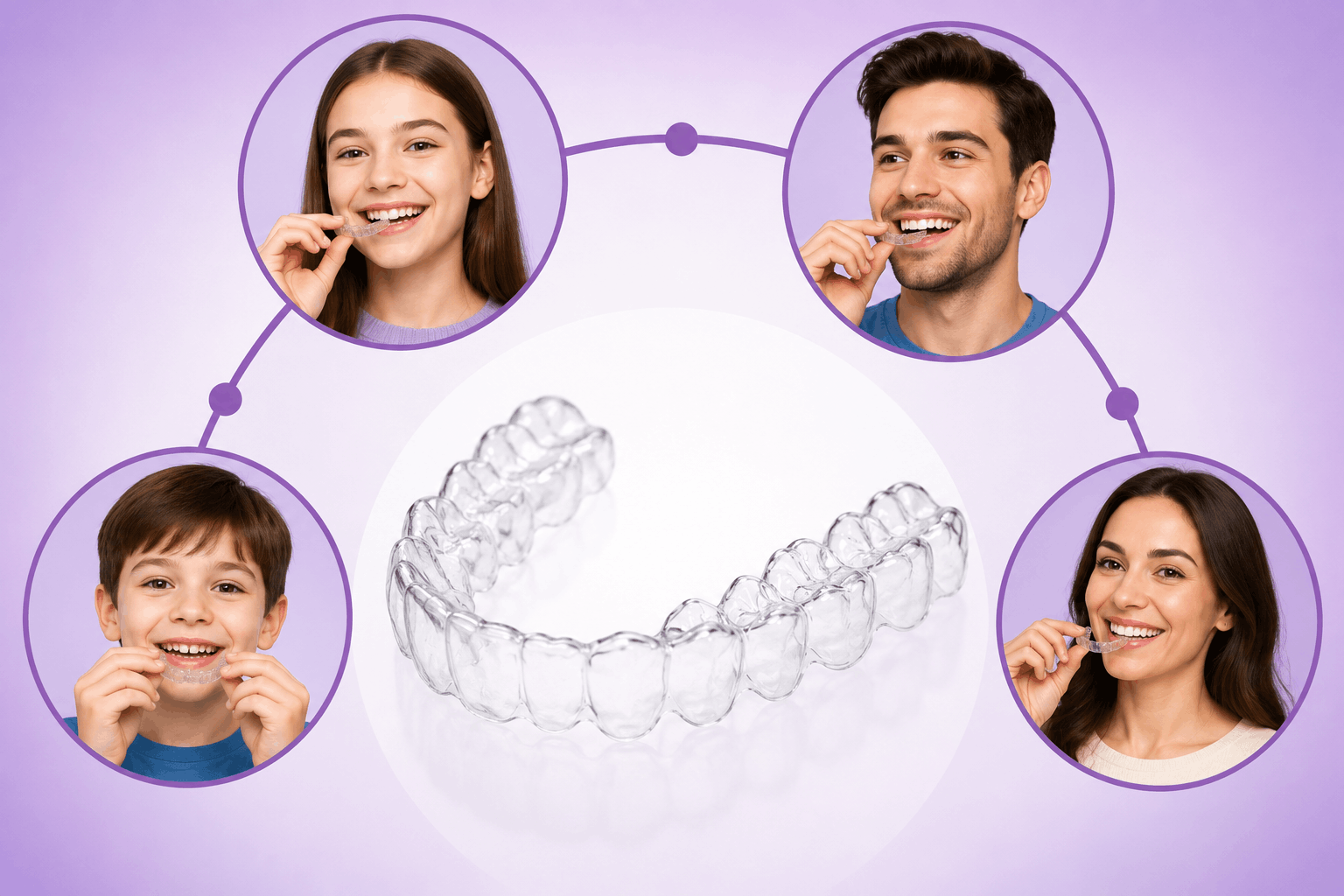
Clear Aligners have become a popular orthodontic option for people who want to improve the alignment of their teeth without traditional metal braces. These transparent, removable trays are designed to move teeth gradually according to an individually planned treatment sequence.
One of the most common questions patients ask before starting treatment is: What is the best age for Clear Aligners? Is aligner treatment suitable only for teenagers, or can adults and working professionals also choose this option?
The answer is that there is no single ideal age for everyone. Clear aligner suitability depends on several factors, including permanent tooth eruption, dental development, gum health, bite condition and the type of tooth movement required.
At TrueMax Dental Clinic in Kalyanpur, Lucknow, patients can discuss their teeth alignment concerns and understand whether clear aligners may be an appropriate treatment option after an individual dental assessment.
Clear aligners are commonly considered when most permanent teeth have erupted and the patient's dental condition is suitable for orthodontic treatment. However, chronological age alone does not decide whether someone can start aligner treatment.
Some teenagers may be suitable candidates, while others may need to wait until more permanent teeth have erupted or their dental development has progressed. Adults can also be considered for aligner treatment at different ages, provided their teeth and supporting gums are healthy enough for orthodontic movement.
The treating dental professional evaluates the teeth, bite, supporting tissues and the movements needed before recommending a treatment approach. A clinical examination is therefore more useful than relying on a fixed age range.
Important to understand: There is no universal minimum or maximum age that applies to every clear aligner system and every patient. Treatment suitability should be determined through a professional dental assessment.
People from different age groups may explore clear aligners for different reasons. Their suitability, however, depends on their individual dental condition and ability to follow the treatment instructions.
Some teenagers may be suitable for clear aligners after assessment of permanent tooth eruption, jaw development and bite condition. Specially designed teen aligner systems may be available for selected cases. Consistent wear and parental support can be important.
College students may consider clear aligners for selected crowding, spacing and alignment concerns. The removable design can be convenient, but treatment requires discipline, regular wear and scheduled dental reviews.
Working professionals often explore aligners because they are less noticeable than conventional metal braces. Removable trays can fit into many daily routines, provided the prescribed wearing schedule is followed consistently.
Adults can seek orthodontic treatment at different ages. There is no fixed upper age limit based on age alone. Healthy gums, adequate bone support and an appropriate treatment plan are important considerations.
Adults may have different reasons for considering orthodontic treatment. Some want to address teeth that have become crowded over time, while others want to improve spacing or correct alignment concerns they have had for years.
Clear aligners offer certain practical features that make them an option for selected adult patients. The final choice between aligners and fixed braces should still depend on clinical suitability rather than appearance alone.
Clear aligners are made from transparent material and are generally less noticeable than conventional metal braces. They are not completely invisible and may be visible at close range or under certain lighting.
Aligners can be removed for meals, brushing and flossing. This allows patients to maintain their usual eating routine while following the removal and cleaning instructions provided by their treating professional.
Since aligners are removable, patients can brush and floss their teeth without working around fixed brackets and wires. Proper cleaning of both the teeth and aligner trays remains important throughout treatment.
A series of custom-made trays is designed to move teeth gradually. The treatment plan is based on the patient's dental condition, required tooth movements and clinical assessment.
Yes, some teenagers can use clear aligners. However, not every teenager is automatically suitable for treatment. The dental professional needs to assess which permanent teeth have erupted, the stage of dental development, jaw growth and the type of orthodontic correction required.
Certain aligner systems are specifically designed for younger patients and may include features to accommodate developing dentitions. Availability and suitability depend on the system being used and the patient's individual condition.
Teenagers also need to be responsible about wearing their aligners for the prescribed number of hours, changing trays according to instructions and attending scheduled reviews. Parents or guardians may need to help younger patients follow these responsibilities.
For parents: Before choosing aligners for a teenager, ask the treating professional whether the permanent teeth have erupted sufficiently, whether the bite is suitable and whether the teenager can follow the required daily routine.
Adults can seek orthodontic treatment at many different ages. Teeth can be moved orthodontically in adults when the supporting tissues are healthy and the required tooth movements are clinically appropriate.
Before starting treatment, the dental professional may need to check for cavities, gum disease, loose teeth, existing restorations and other dental concerns. Any active dental or gum problems may need to be addressed before orthodontic treatment begins.
Previous dental work, missing teeth, crowns, bridges and bite conditions can also influence the treatment plan. Some cases may be suitable for aligners, while others may require fixed braces or a combined approach.
Age is only one part of the overall assessment. A dental professional evaluates several clinical and practical factors before recommending clear aligner treatment.
The eruption of permanent teeth and the stage of dental development help determine whether a patient is ready for a particular aligner treatment plan.
The amount of crowding, spacing, rotation and other alignment concerns helps determine whether the required movements can be managed with aligners.
Healthy gums and adequate supporting bone are important for orthodontic tooth movement. Existing gum disease may need treatment before starting.
The way the upper and lower teeth meet is assessed. Some complex bite problems may need a different orthodontic treatment approach.
The professional may also consider existing fillings, crowns, missing teeth, oral hygiene habits and the patient's ability to follow the prescribed aligner schedule.
Depending on the individual case and the aligner system, clear aligners may be used to address selected orthodontic concerns such as:
Not every case can be treated with aligners alone. Complex crowding, significant bite discrepancies and certain tooth movements may require fixed braces, additional appliances or a combined orthodontic approach.
Clear aligner treatment generally involves a sequence of custom-made trays. Each tray is designed to make planned changes in tooth position. Patients move through the trays according to the schedule prescribed by their treating dental professional.
The process begins with an examination of the teeth, gums and bite. The professional discusses the patient's concerns and evaluates whether aligner treatment may be appropriate.
Dental scans or impressions and other diagnostic records may be taken to understand the current tooth positions and prepare an individual treatment plan.
A planned sequence of tooth movements is prepared. The professional reviews the proposed treatment and discusses its expected scope and limitations.
The patient wears the trays according to instructions and attends scheduled reviews. The progress is monitored and any required adjustments are discussed.
Many clear aligner treatment plans prescribe approximately 20–22 hours of daily wear. The exact schedule depends on the aligner system and the instructions given by the treating professional.
Aligners are generally removed while eating, brushing and flossing. Patients should follow the specific instructions about drinking, cleaning and storing their trays. Wearing aligners for less time than prescribed may affect how treatment progresses.
Consistency is especially important for teenagers and younger patients. Parents or guardians may help them maintain a regular routine and attend follow-up visits.
Clear aligners do not use the same brackets and wires as conventional fixed braces. Some patients may find the removable design easier to manage during daily activities. However, this does not mean aligner treatment is completely pain-free or comfortable for everyone.
Temporary pressure, tenderness or discomfort may occur when starting treatment or changing to a new tray. The experience varies according to the individual and the type of tooth movement being performed.
If an aligner does not fit properly, causes persistent pain or appears damaged, patients should contact their treating professional rather than forcing the tray into position.
No. Clear aligners are not suitable for every orthodontic condition. Some complex tooth movements and bite problems may be more appropriately treated with fixed braces or a combination of orthodontic methods.
Patients with untreated cavities, active gum disease or other dental problems may need appropriate treatment before starting orthodontic tooth movement.
A proper clinical examination helps determine whether aligners are a reasonable option, what limitations may apply and whether another treatment approach would be more suitable.
If you are considering clear aligners for yourself or your teenager, an individual dental assessment is the right starting point. The consultation can help you understand your alignment concerns and the treatment options that may be available.
At TrueMax Dental Clinic, Kalyanpur, Lucknow, patients can enquire about clear aligner consultations and discuss their dental concerns with the treating dental professional.
Patients from Kalyanpur, Khurram Nagar, Indira Nagar, Aliganj, Vikas Nagar and nearby areas around Jagrani Chauraha can contact the clinic to enquire about appointment availability.
There is no single best age for everyone. Clear aligner suitability depends on permanent tooth eruption, dental development, gum health, bite condition and the type of tooth movement required. A dental assessment helps determine whether treatment is appropriate.
Some 13-year-olds may be suitable for aligner treatment, but age alone is not enough to decide. The professional needs to assess permanent tooth eruption, jaw development and the orthodontic problem before recommending treatment.
Yes, some teenagers can use clear aligners if their dental development and orthodontic condition are suitable. They also need to wear the trays consistently and attend scheduled dental reviews.
Yes. Adults can be considered for clear aligner treatment at different ages. Healthy teeth, gums and supporting bone are important, and the required tooth movements must be suitable for aligner treatment.
There is no universal upper age limit based on age alone. Dental health, gum condition, supporting bone and the type of orthodontic correction required are more important factors when assessing an adult patient.
No. Clear aligners are transparent and generally less noticeable than metal braces, but they may still be visible at close range. Some treatment plans also use small tooth-coloured attachments.
Many treatment plans recommend approximately 20–22 hours of daily wear. The exact schedule should be followed according to the instructions provided by the treating dental professional.
Yes. Aligners are generally removed while eating and while brushing and flossing. Clean your teeth before putting the trays back in and follow the cleaning and storage instructions provided for your aligners.
Clear aligners can help correct selected cases of crooked or crowded teeth. The type and severity of the alignment problem determine whether aligners alone are suitable or another orthodontic approach is needed.
Many patients appreciate the removable design, but temporary pressure or tenderness can occur, especially when starting treatment or changing trays. Comfort varies from person to person.
No. Some mild or selected bite concerns may be treated with aligners, but complex bite problems may require fixed braces, additional appliances or a combined treatment approach.
You can contact TrueMax Dental Clinic in Kalyanpur, Lucknow, to enquire about a dental consultation and discuss whether clear aligner treatment may be suitable for your teeth.
Considering teeth alignment treatment for yourself or your teenager? Contact TrueMax Dental Clinic, Kalyanpur, Lucknow, to discuss your dental concerns and available treatment options.