
A complete guide to clear aligner pressure, tooth soreness, new tray changes, adjustment time, and ways to manage discomfort during orthodontic treatment.
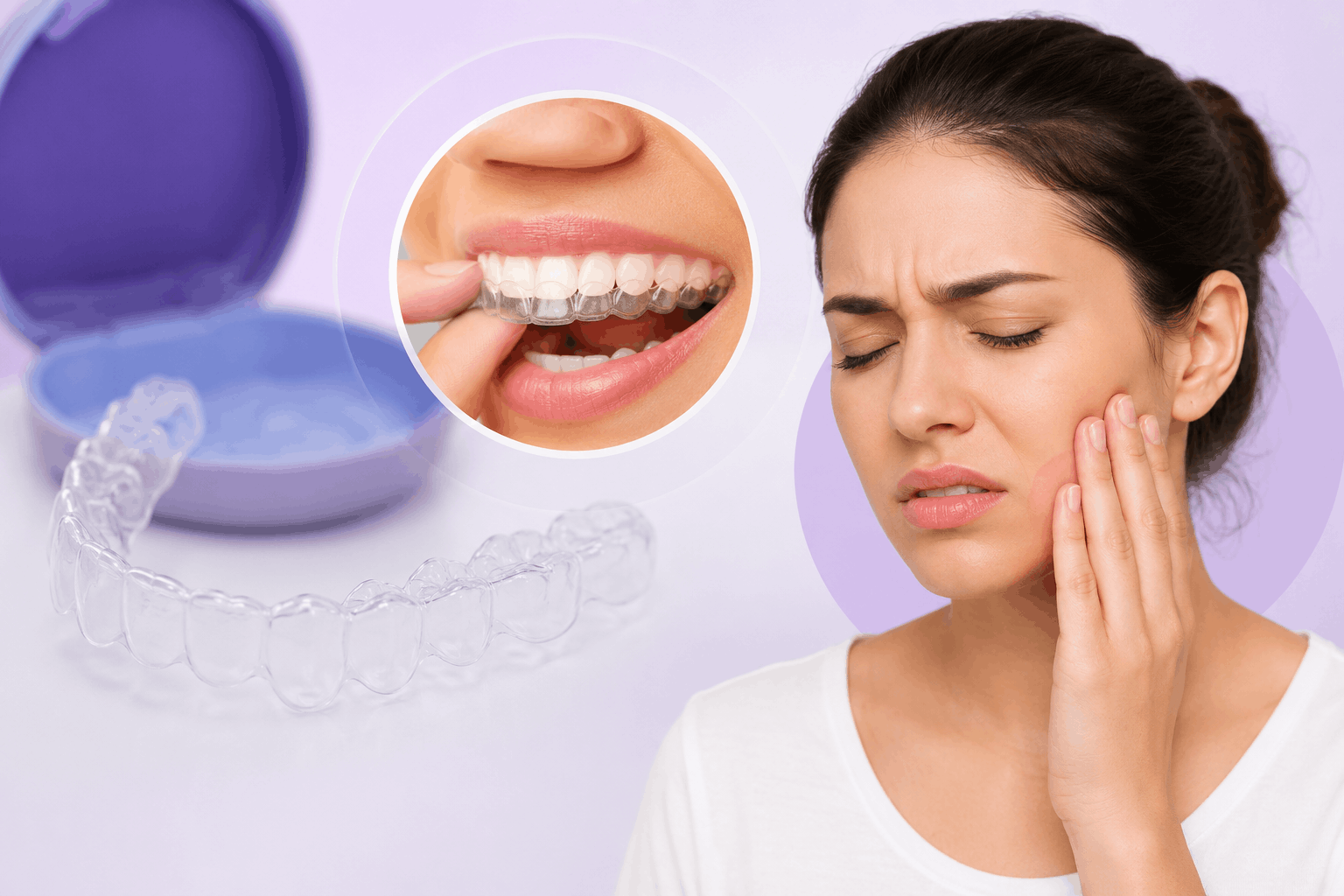
One of the first questions people ask before choosing clear aligner treatment is, “Are Clear Aligners Painful?” It is a natural concern. If you are planning to straighten your teeth, you want to know whether wearing transparent trays will affect your daily routine, eating habits, sleep, speaking, or comfort.
The honest answer is that clear aligners can cause temporary pressure, tightness, and mild tooth soreness. This is usually most noticeable when treatment begins or when you switch to a new set of trays. However, not every patient experiences the same level of discomfort. Some people adjust quickly, while others need a little more time.
Clear aligners are designed to apply controlled forces that gradually move teeth. The sensation of pressure is related to this planned movement, but severe or persistent pain should never simply be ignored. Understanding what is normal, what may need attention, and how to manage the adjustment period can make the treatment experience easier.
At TrueMax Dental Clinic, patients can discuss their smile concerns and clear aligner treatment options with the dental team before deciding whether this approach is suitable for them.
Many patients use the words pain, pressure, and tightness interchangeably, but these sensations are not always the same. When a new aligner is placed, it may feel snug around the teeth. You may notice pressure on a few teeth, especially when biting or chewing. This does not automatically mean that something is wrong.
During orthodontic treatment, gentle forces are applied to teeth to guide them towards planned positions. The tissues supporting the teeth respond to these forces as the teeth move. This response can produce temporary tenderness or soreness.
A feeling of tightness when the aligner is first placed. It may be more noticeable with a new tray and often becomes less obvious as you adjust.
Some teeth may feel sensitive when you bite or chew. This can happen while the teeth are responding to orthodontic forces.
The edges of a tray may occasionally rub against the tongue, cheeks, or gums. A dentist should check persistent irritation.
Strong, sharp, or worsening pain is not something to dismiss as normal adjustment. Contact your treating dentist for advice.
In simple terms, mild pressure and temporary soreness can be part of the treatment process. The aim is controlled tooth movement, not causing unnecessary pain. If a tray feels extremely uncomfortable or does not fit correctly, it should be assessed rather than forced into place.
Clear aligners are made according to a treatment plan. Each tray is designed to guide selected teeth through a small part of the overall movement. When you wear a new tray, it applies forces according to the next planned stage.
The tissues around the roots of your teeth respond to these forces. This biological response is part of orthodontic tooth movement and can temporarily make teeth feel tender. The sensation may be more noticeable when chewing because pressure is also being applied during biting.
There are several reasons why you may notice discomfort during treatment:
Your teeth and mouth are getting used to wearing an orthodontic appliance. The first few days may involve unfamiliar pressure and a feeling of tightness.
Each new aligner represents another stage in the treatment plan. A fresh tray may feel tighter because it is designed for the next planned tooth positions.
Teeth may feel more sensitive when they are under pressure. Some patients notice soreness while eating, particularly during the early part of a tray cycle.
Not every tooth moves in the same way or at the same time. You may therefore notice pressure in certain areas rather than across the entire mouth.
The first week can feel different from the weeks that follow. Your mouth is becoming familiar with the aligners, and you are also learning how to insert, remove, clean, and wear them correctly.
The following is a general guide, not a fixed timetable. Your experience may be different depending on your teeth, treatment plan, and sensitivity.
You may notice tightness, pressure, increased awareness of the trays, or mild tooth soreness. Putting the aligners in and taking them out may also feel unfamiliar at first.
Some patients notice that the initial pressure starts becoming easier to manage. Teeth may still feel tender, especially when chewing harder foods.
Many patients become more comfortable with their daily routine. Speaking, removing the trays, and cleaning them may start to feel more natural.
For many people, the initial adjustment is less noticeable by this stage. However, individual discomfort can last longer and should be monitored.
Important: This seven-day guide describes a possible adjustment pattern, not a promise that all discomfort will disappear within one week. If pain is severe, worsening, or accompanied by swelling or injury, contact your dentist.
Not necessarily. A new tray may create a feeling of pressure or tightness, but the intensity can vary from one stage to another. Some tray changes may be barely noticeable, while others may produce more tenderness.
This variation can depend on which teeth are scheduled to move, the type of movement planned, how well the previous aligner fitted, and individual sensitivity. It is also possible to feel pressure in a different part of the mouth after changing trays.
Follow the exact tray-change schedule given by your treating dentist. Do not move to the next aligner early just because the current one feels comfortable. Similarly, do not extend or alter the schedule on your own because a new tray feels tight. Your dentist may need to assess the fit and progress before making any change.
This is one of the most common comparisons patients make. Clear aligners and fixed braces both use orthodontic forces to move teeth, but they work differently.
Clear aligners are removable transparent trays. Traditional braces use brackets attached to teeth and wires that guide movement. Because aligners do not have the same brackets and wires, some patients find them less irritating to the inside of the cheeks and lips.
Research comparing clear aligners with fixed braces suggests that pain may be lower with clear aligners during certain early treatment days in some studies. However, the difference is not consistent at every time point, and the evidence does not mean that aligners are pain-free or always more comfortable for every patient.
Removable trays, no fixed metal brackets, and generally smooth surfaces. Pressure and tooth tenderness can still occur during planned tooth movement.
Fixed brackets and wires remain on the teeth. Some patients experience cheek or lip irritation as well as soreness after adjustments.
The right treatment should not be selected on comfort alone. Your bite, tooth positions, gum health, treatment goals, and the movements required are important factors. A dentist or orthodontic professional can help explain which option is appropriate for your case.
You may notice tenderness while chewing, particularly during the first few days after starting treatment or changing to a new tray. This happens because biting places additional pressure on teeth that may already feel sensitive.
One advantage of removable aligners is that they are generally taken out before meals. This means you can eat without the trays in your mouth, unlike fixed braces. However, you should follow your dentist's instructions about wearing time and cleaning before reinserting them.
If your teeth feel tender, consider choosing foods that are easier to chew temporarily. Avoid biting very hard foods directly with sensitive teeth until the tenderness improves. Do not use discomfort as a reason to stop wearing your aligners for long periods without speaking to your dentist.
When you first start wearing aligners, you may notice a slight change in how certain words sound. Some people experience a temporary lisp or feel that their tongue needs time to adjust to the trays.
Reading aloud and speaking normally can help you become familiar with the appliance. If a speech change persists or the tray feels bulky or incorrectly fitted, discuss it during your review appointment.
Aligners are generally worn during sleep as part of the prescribed daily schedule. You may be more aware of the trays during the first few nights, but many patients become accustomed to sleeping with them. If a tray repeatedly causes pain or injures the mouth, ask your dentist to check it.
Some clear aligner treatment plans use small tooth-coloured attachments placed on selected teeth. These attachments help the aligners grip the teeth and carry out particular movements more effectively.
Attachments may feel unfamiliar at first, especially when you remove your aligners or when your tongue touches them. You may also notice that the trays feel different when they fit over teeth with attachments.
The attachments themselves are not intended to cause pain. However, if an attachment has a rough area, feels sharp, or is irritating your cheek or tongue, ask your dentist to examine it. Do not try to file, remove, or adjust an attachment yourself.
In some orthodontic cases, a dentist may recommend a procedure called interproximal reduction, commonly known as IPR. It involves carefully creating a small amount of space between selected teeth by reshaping a limited amount of enamel from their sides.
IPR is not required for every clear aligner patient. Whether it is appropriate depends on the treatment plan, tooth shape, available space, and clinical assessment.
Some patients may notice temporary sensitivity after the procedure, although experiences vary. Your dentist should explain why it is being recommended, which teeth are involved, and what you may feel afterwards.
A few practical habits can make the adjustment period easier. The most important step is to follow the treatment instructions rather than changing your aligner routine independently.
Wear your trays for the number of hours recommended by your treating dentist. Consistent wear helps the aligners follow the planned treatment sequence.
If your teeth feel tender, choose foods that require less chewing for a short period. Return to your usual diet as comfort allows.
Drink water regularly. Water also helps rinse away loose food particles and is generally suitable while wearing clear aligners.
Brush and floss regularly, and clean your trays according to the instructions provided by your dentist or aligner manufacturer.
Use the method demonstrated by your dental team. Avoid pulling unevenly or forcing a tray, as this may damage it or irritate your mouth.
Your dentist may recommend an aligner seating aid, often called a chewie, to help the tray seat properly. Use it only as instructed.
Some patients prefer changing to a new tray in the evening. This allows them to get used to the initial pressure during the night, when they are not speaking or eating. It may be a convenient routine for some people, but it does not guarantee that discomfort will be avoided.
The correct tray-change day and schedule are more important than the time of day. If your dentist has given you a specific instruction, follow it. Never move to a new tray earlier than planned just to speed up treatment.
Many clear aligner treatment plans recommend approximately 20–22 hours of wear per day, although the exact instructions can vary by system and individual treatment plan.
Aligners are generally removed for meals and for brushing and flossing. They should be placed back in after cleaning your teeth, following the instructions given by your dentist.
Wearing trays for fewer hours than prescribed may affect how well the teeth follow the planned movements. If you have missed wear time, lost a tray, or cannot wear your aligners because of discomfort, contact your dental team for advice rather than deciding independently which tray to use next.
Mild pressure and temporary soreness can occur during orthodontic treatment. However, severe pain, persistent irritation, or a tray that does not fit properly needs attention.
Contact your treating dentist if you notice any of the following:
Do not force a tray into position, cut it, heat it, or try to reshape it yourself. Your dentist can check whether the issue is related to tray fit, the treatment stage, an attachment, or another dental concern.
Clear aligners can be a useful option for many people who want to improve the alignment of their teeth. However, they are not suitable for every orthodontic problem. The type and complexity of tooth movement, bite relationship, gum condition, and overall oral health all need to be considered.
Some cases may be managed with aligners alone, while others may require additional orthodontic techniques or a different treatment approach. Patients with active gum disease, untreated cavities, or other oral health problems may need those issues addressed before orthodontic treatment begins.
A proper consultation helps establish whether aligners are appropriate, what the treatment may involve, and what limitations should be understood before starting.
Before starting treatment, your dentist evaluates your teeth, bite, gums, and smile concerns. Depending on the case, photographs, digital scans, impressions, or dental X-rays may be needed for assessment and planning.
The treatment plan is then considered in relation to the movements required. If clear aligners are suitable, you can discuss the expected stages, approximate duration, wear schedule, attachments if needed, and review appointments.
This discussion is also the right time to ask questions about discomfort. Your dentist can explain which sensations may be expected in your particular case and what to do if a tray feels uncomfortable.
Before starting treatment: Ask about your individual treatment plan, expected wear time, tray-change schedule, follow-up visits, and how to contact the clinic if a tray does not fit or causes unusual pain.
If you are considering clear aligner treatment, the first step is to understand your dental condition and whether removable aligners are suitable for your teeth and bite.
TrueMax Dental Clinic provides clear aligner consultations and smile correction treatment in Kalyanpur, Lucknow. Patients can discuss their concerns, treatment options, expected stages, and care instructions during a dental consultation.
Patients from Kalyanpur, Khurram Nagar, Indira Nagar, Aliganj, Vikas Nagar, and nearby areas around Jagrani Chauraha and Regency Hospital can contact the clinic for appointment information.
A personalised dental assessment is important because treatment requirements, comfort, and expected results vary from one patient to another.
You may feel tightness, pressure, or mild tooth soreness when you first start wearing clear aligners. This is often temporary as your mouth adjusts to the appliance and planned tooth movement.
Many patients notice the most discomfort during the first few days after starting treatment or changing trays. The duration varies, and persistent or worsening pain should be assessed by a dentist.
A new tray can cause temporary pressure or tightness because it is designed for the next stage of tooth movement. The intensity may differ with each tray change.
Some studies report lower pain with clear aligners during certain early treatment days. However, results vary, and both aligners and braces can cause temporary soreness.
Clear aligners are generally removed before eating. After meals, clean your teeth and follow your dentist's instructions before putting the trays back in.
Plain water is generally suitable while wearing clear aligners. Follow the manufacturer's and dentist's instructions for other drinks, as some beverages may stain or damage the trays.
Yes. Aligners are normally worn during sleep as part of the prescribed daily wear schedule. Most patients become familiar with sleeping while wearing them.
Teeth may feel tender during orthodontic movement, and removing or inserting a tray can make that tenderness more noticeable. Ask your dentist to demonstrate the correct removal technique if it is difficult or painful.
Some people may report discomfort around the jaw or head during orthodontic treatment, but a headache should not automatically be attributed to aligners. Persistent or severe symptoms should be discussed with a healthcare professional.
Attachments may feel unfamiliar and can make tray insertion or removal feel different. If an attachment is sharp, loose, or irritating your mouth, contact your dentist.
No. Follow the tray-change schedule prescribed by your treating dentist. Changing early without approval may affect the planned tooth movements and treatment progress.
Many treatment plans recommend approximately 20–22 hours per day. Your exact wear schedule depends on your aligner system and individual treatment instructions.
Do not force it into place. Contact your treating dentist so the tray, tooth movement, and treatment stage can be checked.
Yes. Adults may be candidates for clear aligner treatment. Suitability depends on the alignment problem, bite, gum health, and the movements required.
Contact your treating dentist if you experience severe or sharp pain, swelling, bleeding, sores, or a tray that does not fit properly. Do not try to reshape or force the tray yourself.
You can contact TrueMax Dental Clinic in Kalyanpur, Lucknow, to enquire about a clear aligner consultation and discuss whether this treatment may be suitable for your dental condition.
Understand your treatment options and discuss your smile goals with the dental team at TrueMax Dental Clinic, Kalyanpur, Lucknow.
Disclaimer: This article is for general educational purposes only and does not replace a dental examination or personalised professional advice. Treatment suitability, comfort, and expected results vary from patient to patient. Consult a qualified dental professional for advice about your individual condition.